Depreciation and Depreciation Recapture on Commercial Property Sales in California: What Owners Owe
July 28, 2026
Commercial Property Insurance in California: What Landlords Actually Need and What They Often Skip
August 4, 2026

In San Diego, the stakes vary sharply depending on what you own. Office landlords are navigating a market where vacancy sits at 13.6% as of Q1 2026, according to Kidder Mathews - a number that gives tenants leverage and makes retention a genuine priority. Retail is a very different story. With vacancy hovering around 4.3% as of Q1 2025 per SCCAI, retail landlords hold considerably more power. Those two realities demand two different strategies at the renewal table. A strategy built for one can cost you in the other.
What follows is a practical guide to commercial lease renewal negotiation - written specifically for San Diego landlords who want to go into these conversations prepared. It covers what landlords routinely give away without a fight (and why that matters), what protections and economic terms are worth pushing for, and how to read the room when a tenant is signaling they might walk versus one who obviously wants to stay put. Those two situations are not negotiated the same way, and treating them identically is one of the more expensive mistakes a landlord can make.
This guide is informational only - not legal advice. For anything contract-related, work with a qualified real estate attorney. But the negotiation strategy, the market awareness, and the discipline to know what to hold firm on - that’s where landlords who wing it leave money on the table.
Key Takeaways
- San Diego office and retail markets require completely different renewal strategies due to vastly different vacancy rates and tenant leverage.
- Landlords commonly lose money by skipping rent escalation clauses, letting insurance minimums go stale, and carrying outdated lease language.
- Key protections worth holding firm on include CPI-tied escalations, updated insurance minimums, recapture clauses, and personal guaranty language.
- Knowing whether a tenant genuinely wants to stay or can credibly leave determines how aggressively landlords should negotiate economic terms.
- Preparing rent comps, reviewing existing lease protections, and checking insurance compliance before negotiations gives landlords significantly stronger footing.
Why the San Diego Market Makes Renewal Strategy More Complicated Right Now
Not all commercial leases are created equal, and in San Diego, the difference between office and retail is wide enough that they almost need to be treated as separate conversations.
Office landlords are working in a softer market. Direct asking rents for office space in San Diego are averaging $34.97 per square foot according to Avison Young. But averages don’t tell everything. What matters is that tenants in submarkets know they have options, and that awareness shapes how they come to the table before anyone says a word about renewal terms.
Retail is a different story. San Diego retail rents have been climbing at roughly 1.9% year over year per SCCAI data, and vacancy in well-located retail corridors has stayed pretty tight. That means retail landlords have more room to hold firm on terms. But office landlords usually have to work harder just to keep a tenant in place.
This matters because the two situations call for different strategies. A landlord who owns a neighborhood retail center and one who owns a multi-tenant office building should not be reading from the same playbook at renewal time. The leverage each one holds is shaped by conditions that existed long before the lease expiration date showed up on the calendar.
Vacancy rate context is especially worth thinking about before negotiations start. If comparable space sits empty nearby, a tenant can use that as quiet pressure without ever making a direct threat. The landlord who understands how vacancy shapes the local leasing picture ahead of time is in a much better position to read what a tenant is actually asking for and why.
San Diego is not a monolithic market. Submarkets like Mission Valley, Downtown, and Kearny Mesa each have their own supply dynamics, and a renewal strategy that worked well in one area may not work in another. That context is the groundwork that everything else depends on.
What Landlords Routinely Give Up - and Why It Costs Them Later
Most landlords don’t lose ground at renewal because they negotiated poorly. They lose it because they didn’t negotiate at all. The impulse to keep a long-term tenant happy is understandable. But “keep the peace” mode has a price tag attached to it.
The most common place this shows up is rent escalation. Landlords agree to flat renewal rates with no built-in increases, reasoning that a steady tenant is better than a vacant space. That logic holds for about six months. Stretch it across a five-year term and you’re looking at a difference between what you’re collecting and what the market would support.
Two other areas tend to get quietly ignored at renewal. Insurance minimums are one of them - the limits a tenant agreed to five years ago probably don’t align with current replacement costs or liability exposure. Outdated lease language is the other, and it matters more than you might expect. Clauses around maintenance responsibility, permitted use, and assignment rights can drift out of sync with how a business actually operates.

Research from Hughes Marino found that tenants who don’t actively study alternatives pay a 15 to 25 percent renewal premium. A well-educated tenant who has done their homework is not going to sit quietly while you hand them the same lease they signed in 2019.
The tenant you want to keep is probably the one most likely to push back.
So landlords find themselves in an awkward position. They want to be reasonable and they don’t want to lose a tenant over a negotiation that feels adversarial. But reasonable and passive are not the same thing. When you skip the escalation clause, let the insurance schedule go stale, and carry forward language that no longer fits, you’re not preserving the relationship - you’re deferring the cost of a lease that no longer works in your favor.
The Lease Provisions Worth Holding the Line On
Concessions are part of the process. But some provisions are worth protecting. These are the ones that quietly shape whether a renewal works in your favor over the long run.
Annual rent escalations tied to the Consumer Price Index are one of the most important things to secure in your lease. A flat rent with no escalation clause sounds easy. But it means your income stays frozen while your property taxes, insurance premiums, and maintenance costs move upward. Even a modest CPI adjustment each year helps keep your lease in touch with real-world economics.
Updated insurance minimums are another area to hold firm on. Coverage limits that made sense five years ago might not align with what it would actually cost to rebuild, repair, or defend against a liability claim. San Diego construction costs have climbed steadily, and if a tenant’s policy hasn’t kept pace, the difference between their coverage and your exposure can get wide in a hurry.
If your property sits in an area with active mixed-use or redevelopment potential - and San Diego does - a right to recapture clause is worth including. This gives you the ability to take back the space with proper notice if redevelopment becomes viable. Tenants don’t love it. But it’s a fair protection to ask for in a city where land use and zoning can change faster than a lease term.

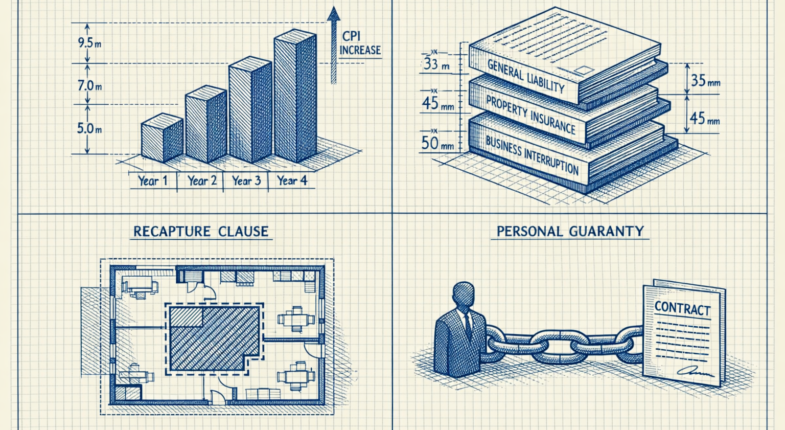
Personal guaranty language deserves more attention than it gets. When you renew with a small business or an LLC that doesn’t have deep financial roots, a personal guaranty from the principal ties the obligation to a person. If you don’t have it, you might find that the entity on the lease has no actual assets if things go sideways.
None of these are punishing terms. They’re helpful protections that a well-advised landlord would want in any long-term commercial lease, and renewal is the right time to bring them up to date. A qualified commercial real estate agent in San Diego can help you identify which of these provisions matter most for your specific property.
Reading the Room - Tenant Who Wants to Stay vs. Tenant Threatening to Leave
How you negotiate depends almost entirely on who you’re negotiating with. A tenant who has been in a space for eight years, spent heavily on a custom buildout, and built a loyal customer base at that address is not in the same position as a tenant who moved in two years ago and is still finding their footing. Knowing the difference changes everything about how you approach the conversation.
A long-tenured tenant with sunk costs has a strong reason to stay even if they don’t say so. Relocating means new signage, new buildout costs, lost foot traffic, and operational disruption. That gives you more leverage than the negotiation might feel like it does up front.
The harder situation is the tenant who floats vacancy as a threat. The first thing to do is figure out if that threat is real. Are they actively visiting other spaces? Do they have the capital to relocate? Is there comparable space available nearby that actually fits their needs? A tenant who can credibly walk is a different conversation than one who is testing you.
It’s also worth noting that nationally, tenants are taking 15-20% less space on renewal according to CoStar data. Downsizing is a real conversation, not just a negotiating tactic. If your tenant is telling you they want to shrink, take it seriously and think through whether a smaller footprint at a higher per-square-foot rate might work in your favor.

The goal in either scenario is to respond to where the tenant actually stands instead of where you assume they stand. With a rooted tenant, you can hold firmer on economic terms because their cost to leave is high. With a tenant who has options, you might need to prioritize retention over the last dollar of rent.
What you want to stay away from is bluffing in either direction. Claiming you have a replacement tenant lined up is a short-term move that can unravel fast if the tenant calls it.
Structuring the Renewal Term Length and Rent Escalation to Actually Hold Up
When structuring a renewal, term length and rent escalation are the two levers that matter most, and how you set them up together will determine if this renewal works in your favor over time.
Shorter renewal terms - say two or three years - tend to favor tenants because they preserve flexibility. The tenant gets to reassess sooner and renegotiate from a new position. That is not ideal for a landlord who wants predictable income and limited turnover exposure.
Longer terms flip that. But only if escalation is built in correctly. According to TenantBase, 5-year terms account for 27.3% of San Diego retail deals, so they are not unusual to push for. A longer commitment from the tenant is worth something, and landlords can use that as grounds to negotiate stronger rent growth provisions in exchange for the security the tenant gets.
The escalation structure is where landlords lose money quietly over time. A fixed percentage increase - something like 3% annually - is easy to track and underwrite. It works when inflation is pretty stable, because both sides know what rent will be year over year. Understanding how escalation affects your NOI over time is worth doing before you finalize any renewal terms.
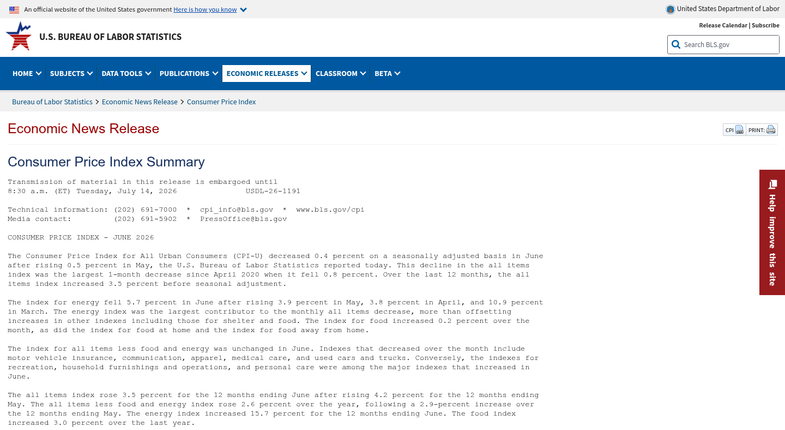
CPI-tied increases are a different story. They can protect you better in a rising cost environment. But they also introduce unpredictability for tenants and can create friction at renewal time. In San Diego’s commercial market, where operating costs have moved around considerably, a blended strategy can make sense - a fixed floor with a CPI ceiling that caps how high the increase can go in any single year.
Whatever you land on, the escalation clause needs to be written clearly enough to hold up if the relationship ever sours. Vague language like “rent shall increase periodically” has caused problems in California courts. Spell out the index, the measurement date, and the cap. Landlords dealing with tenants who push back on escalation terms should also know their options if tenants stop paying rent altogether.
Before You Negotiate, Get Your Paperwork and Comps in Order
Most landlords walk into renewal conversations with a number in mind but not much else. That puts you at a disadvantage before the conversation even starts. A little preparation goes a long way here.
Start by pulling the latest rent comps for comparable commercial space in San Diego. You want to know what similar properties are actually leasing for - not what you think the market is doing - this gives you a defensible position when a tenant pushes back on your proposed rate.
Next, go back through your existing lease with fresh eyes. Look for protections that are about to expire, like personal guarantees, co-tenancy clauses, or any landlord approval rights within the original term. If those provisions don’t automatically carry into the renewal, then you’ll want to reintroduce them explicitly in the new agreement.
Check your tenant’s insurance certificates too - it’s not unusual for coverage to drift out of compliance over a long tenancy, and a renewal is the right time to get everything current again. You don’t want to discover a lapse after something goes wrong.
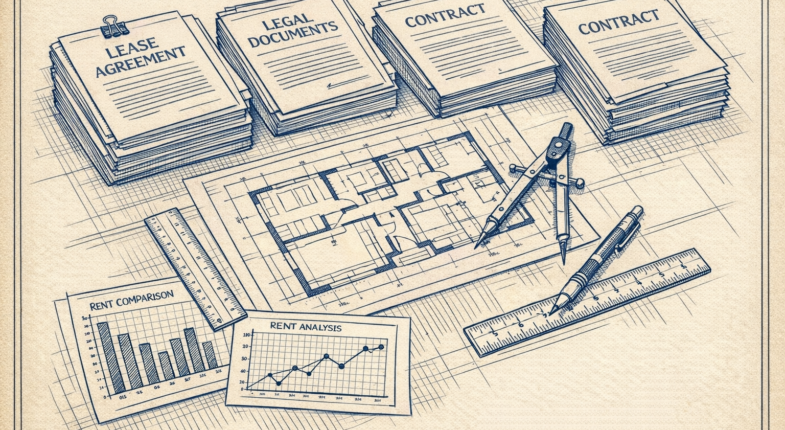
Also take a close look at any tenant improvement allowances from the original lease. If you amortized those costs into the rent and the amortization period hasn’t ended, you’ll have to factor that in when setting a new base rent. You could be pricing yourself into a loss without realizing it.
Finally, have a commercial real estate attorney review the renewal terms before you sign anything, especially if the tenant came to you with their own draft language. Attorneys who specialize in San Diego commercial real estate will know which clauses tend to become problems in this market and which ones are fine to accept as written.
None of this is tough. But it does take time. Get it done before the negotiation starts and you’ll have much stronger footing throughout the whole process.
Negotiate Like the Asset Depends on It - Because It Does
Come back to the core question every time: does this tenant want to stay, or are they weighing their options? That answer should shape how hard you push on rent escalations, how generous you are with TI allowances, and how much flexibility you build into your own exit. A tenant with nowhere better to go is a negotiating opportunity. A tenant with a signed letter of intent from a competing landlord is a very different conversation - and the worst time to have figured out which one you’re dealing with is 60 days before expiration.

Pull the latest lease. Look at the option language, the rent schedule, and any provisions that seemed basic three years ago but no longer align with the market. San Diego’s commercial real estate environment doesn’t reward landlords who wait for the right moment - it rewards the ones who create it.
FAQs
What vacancy rates affect San Diego commercial lease renewals?
San Diego office vacancy sits at 13.6% as of Q1 2026, giving tenants leverage, while retail vacancy is only 4.3%, giving landlords more negotiating power. These different conditions require completely different renewal strategies.
What lease provisions should San Diego landlords prioritize at renewal?
Landlords should prioritize CPI-tied rent escalations, updated insurance minimums, recapture clauses, and personal guaranty language. These provisions protect long-term income and reduce exposure without being unreasonable demands.
How can landlords tell if a tenant will actually leave?
Assess whether the tenant is actively visiting other spaces, has relocation capital, and whether comparable space is genuinely available nearby. A tenant with heavy buildout investment and an established customer base has high relocation costs and is less likely to leave.
What do landlords commonly give up during lease renewals?
Landlords frequently skip rent escalation clauses, allow insurance minimums to go stale, and carry forward outdated lease language. These omissions quietly cost money over a multi-year renewal term.
How should landlords structure renewal term length and escalation?
Longer terms favor landlords when paired with built-in escalations. A fixed percentage increase offers predictability, while a CPI-tied clause with a cap balances inflation protection and tenant acceptance in San Diego's shifting cost environment.