Investing in San Diego Office Buildings After Remote Work: What the Market Actually Looks Like Now
July 7, 2026
Commercial Property Management Agreements: 8 Clauses San Diego Owners Should Read Before Signing
July 14, 2026
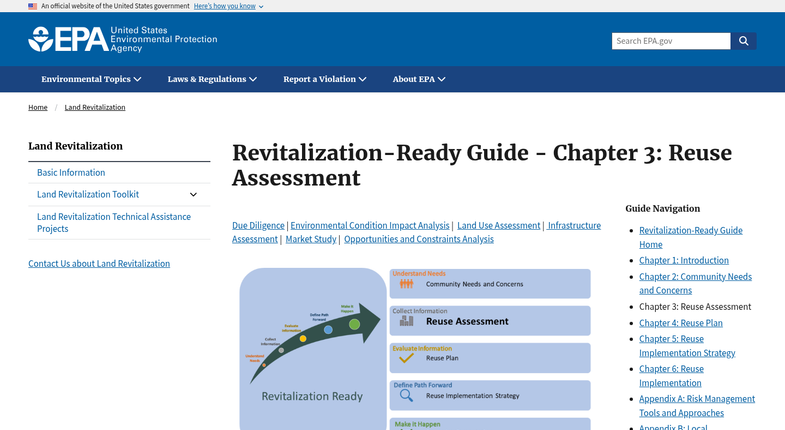
The problems that sink returns are rarely obvious. They hide inside a rent roll with inflated occupancy numbers, a lease with a co-tenancy clause no one flagged, an environmental condition the seller disclosed but buried, or a CAM reconciliation that hasn’t been audited in three years. By the time these problems surface, you might already be the owner. California’s regulatory environment, its tough zoning overlays, its strict environmental disclosure requirements, and its tenant-protection community make due diligence not just advisable - it’s the only responsible way to close a commercial deal in this state.
This checklist is built around three phases that mirror how a transaction actually moves: the pre-offer review you do before committing, the deep-dive work you execute during escrow, and the final verification checks you run before you hand over funds and sign. Each phase has a purpose, and collapsing them into a single frantic scramble at the end of escrow is how buyers miss the things that matter most.
Whether you’re getting your hands on a multi-tenant retail strip, an industrial warehouse, or a mixed-use building in a California infill market, the items on this list apply. Bookmark it. Share it with your broker, your attorney, and your property manager. Return to it on every deal - because the fundamentals of what to look at before buying commercial property don’t change, even when the asset class does.
Key Takeaways
- Due diligence should occur in three phases: pre-offer review, escrow deep-dive, and final pre-close verification checks.
- If one tenant generates 70% or more of NOI, you’re making a concentrated bet on that single tenant’s continued presence.
- Property Condition Assessments and Phase I Environmental Site Assessments are essential; findings must feed back into your financial model.
- Lease estoppel letters and CAM reconciliation audits can reveal undisclosed termination options and overbilling hidden from the offering memorandum.
- California’s zoning laws are increasingly layered; get written planning department confirmation of permitted uses before closing.
What to Pull and Review Before You Ever Make an Offer
Before you submit a letter of intent, there’s a set of documents you want in hand. Rent rolls, latest leases, operating statements for the trailing 12 months, a 3-year income and expense history, property tax records, and any existing inspection reports the seller has on file. Getting these early lets you do a read on the property before you’re emotionally invested in closing it.
The operating statements matter more than most buyers expect at this stage. A trailing 12-month statement tells you what the property has actually been doing, and three years of history will teach you if that performance is stable or inconsistent. Tax records are helpful to cross-reference what the owner has been reporting versus what they’re showing you.
Tenant concentration is worth close attention too. A helpful rule of thumb in commercial real estate is the 70% NOI rule - if a single tenant accounts for 70% or more of the property’s net operating income, you’re not buying a diversified asset. You’re buying a bet on one tenant’s continued presence. Learn more about how NOI works and what drives it before you run your numbers.
That’s not automatically a reason to walk away. But it does change how you review the deal. You’d want to look at that tenant’s lease term, their renewal options, and the strength of their business before proceeding.
Most California commercial deals allow 30 to 60 days for due diligence once you’re in escrow. That window feels long until it doesn’t, so having the financial picture in hand before you make an offer means you’re not burning escrow time on things you could have caught earlier.
Leases deserve a close read at this stage too. You’re looking at lease expiration dates, rent escalation clauses, tenant improvement obligations, and co-tenancy provisions that could allow a tenant to cut back on rent or exit if a neighboring tenant leaves. Some of these terms can materially change what the income stream looks like over time.
The goal in this pre-offer phase is to know if the numbers hold up under scrutiny. Physical condition and environmental history come next. But the financial foundation is what tells you if the deal is worth taking that far. For a closer look at what this process looks like on a real acquisition, see what the numbers look like before making an offer on a strip mall.
Physical Condition and Environmental Inspections Every California Buyer Needs
Once you’re in escrow, the inspection phase is where you find out what you’re actually buying. Two assessments do most of the heavy lifting here: a Property Condition Assessment and a Phase I Environmental Site Assessment.
The Property Condition Assessment, or PCA, follows the ASTM E2018 standard - it gives you a formal, third-party look at the physical state of the building and flags repairs you’d need to make immediately. It also projects capital expenditures over the next five years so you’re not guessing at what’s coming.
That five-year capital projection matters more than most buyers know. A roof or HVAC system that’s near the end of its useful life can carry a replacement cost north of $50 per square foot. At that price, a mid-size commercial building can be looking at a seven-figure bill before you’ve made a single improvement. That can directly affect your net operating income and change what the property is actually worth to you.
The Phase I Environmental Site Assessment follows ASTM E1527-21 and looks at the history of the land and surrounding area to find any recognized environmental conditions - it doesn’t mean soil sampling or lab work - it’s a records review and site walk. But it’s a necessary first step.
California has industrial corridors and land with tough histories. Former dry cleaners, auto shops, gas stations, and manufacturing sites have left contamination behind in places that aren’t always obvious from a latest-use perspective. The Phase I was built to surface those red flags early.
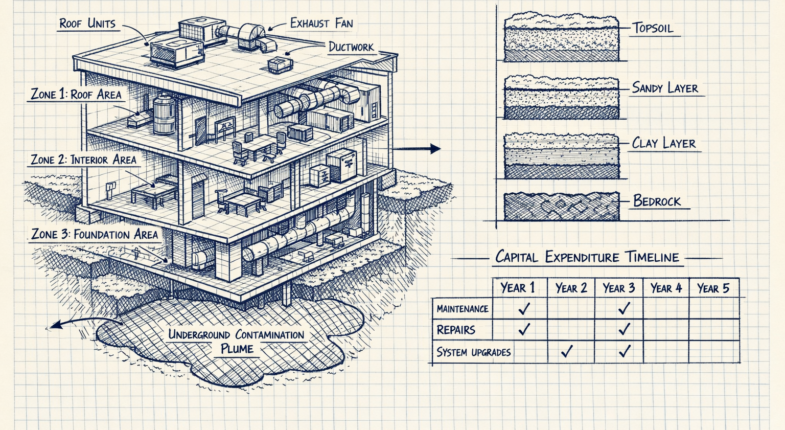
If the Phase I turns up a recognized environmental condition, that triggers a Phase II. A Phase II means soil and groundwater sampling to confirm or rule out contamination. Remediation in California can be expensive and time-consuming, and the liability can follow ownership.
The key takeaway from these assessments is that physical and environmental findings need to feed back into your financial model. A PCA that shows a failing HVAC system is not just a maintenance note - it’s a number you can put on the table during negotiations or use to reassess your position entirely.
Neither of these reports is optional if you want to close with confidence. Order them early in escrow so you have time to act on what they find.
Rent Roll Verification, Lease Estoppels, and CAM Reconciliation Audits
The rent roll is one of the first documents a seller hands over, and it looks easy - tenant names, suite numbers, monthly rent, lease expiration dates. But a rent roll is just a spreadsheet. Pull every signed lease and check it line by line against what that document claims.
Pay close attention to lease start dates, rent escalation clauses, renewal options, and any free rent periods that might still be active. A tenant who looks like they pay $8,000 a month could be in the middle of a six-month free rent period the rent roll doesn’t flag. That changes your income projections in a meaningful way.

What Lease Estoppel Letters Actually Do
A lease estoppel is a letter each tenant signs to confirm the material terms of their lease directly with you as the buyer - it confirms the rent amount, the lease term, any outstanding landlord obligations, and if the tenant has any disputes or claims against the current owner. Sellers sometimes push back on estoppels because the process takes time and because tenants occasionally say things that contradict what the offering memorandum promised.
That contradiction is why you want them.
If a tenant’s estoppel says they have a termination option the seller never disclosed, you now have information that can directly affect the value of the asset. You can renegotiate the purchase price or walk away with your deposit.
CAM Reconciliation Audits
Common area maintenance charges are billed to tenants throughout the year based on estimates and then reconciled annually against actual costs. An audit of past CAM reconciliations will show you how the current owner has handled that process and if tenants were billed in line with what their leases actually allow.
Overbilling is more common than most buyers expect. Some landlords charge for costs that are specifically excluded under lease terms, like management fees on gross leases or capital improvements disguised as maintenance. Underbilling is a different problem - it can mean tenants are used to paying less than they should, and correcting that after close is a conversation that strains relationships.
Either pattern gives you negotiating leverage. Document what you find and bring it to your attorney to finalize the numbers. If disputes over charges escalate, understanding how to handle CAM disputes before they affect tenant relationships can save you significant time and money after closing.
Title Searches, Lien Checks, Zoning Confirmation, and Utility Billing Structure
Once the lease-level documents are reviewed, due diligence moves into legal and municipal territory - still escrow-phase work. But the focus changes to what’s recorded against the property and what the law actually lets you do with it.
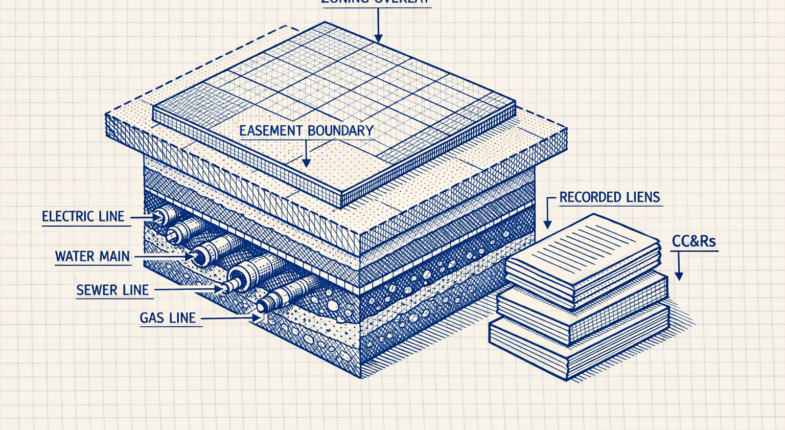
A California title search will surface things like easements, CC&Rs, and recorded liens that can affect your ownership rights or limit how you use the property. An easement might give a utility company permanent access to a part of your lot. A CC&R might restrict business types or exterior modifications. These aren’t hypothetical - they’re recorded documents with legal weight, and your title company needs to flag every one of them closely.
Zoning confirmation deserves more attention than most buyers give it. The listing might describe a property as “commercially zoned,” but that tells you almost nothing on its own. California’s land use laws have changed considerably. AB 2011 and related legislation opened new doors for adaptive reuse and residential density in commercial zones, which is news - but it also means the zoning picture is more layered than it used to be. Get written confirmation from the local planning department about what the property’s current zoning actually permits, and ask specifically about any pending amendments or overlays. If you’re evaluating a mixed-use scenario, it’s also worth understanding what rezoning a commercial property to residential actually involves.
Utility billing structure is one of the easier things to forget because it tends to hide in the background of lease terms. If a building is master-metered, the landlord pays the utility provider and recovers costs through CAM charges or direct billing to tenants. That creates room for discrepancies between what tenants expect to pay and what they’re charged - it’s worth tracing utility costs back to invoices to confirm the math works out.
The same goes for NNN leases. A lease labeled “triple net” does not automatically mean the landlord has zero costs. Some NNN leases still leave the landlord responsible for roof, structure, or management fees. Read the definitions in the lease instead of relying on the label.
If the property has any entitlement complications - pending variances, use permits under review, or zoning disputes - plan for a longer timeline. Complex deals in California can stretch due diligence to 90 days or more, and some run closer to six months.
Your Pre-Close Final Checklist Before the Keys Change Hands
This checklist is not something you move through once and set aside. Deals evolve, timelines shift, and new information surfaces close to the finish line. The most helpful thing you can do is treat it as a working document - something you return to each time a material piece of information changes or a deadline passes. What felt resolved in week two of due diligence may look different in week eight.
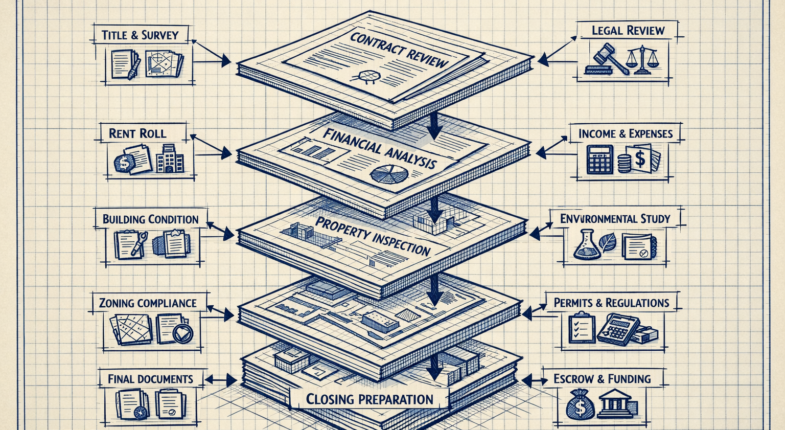
The commercial real estate deals that go sideways in California aren’t the ones with obvious problems. They are the ones where a buyer assumed the lender caught the title issue, or the broker confirmed the permit status, or the seller’s attorney reviewed the estoppel. Responsibility diffuses across a transaction quickly, and assumptions fill the gaps. The buyers who close with confidence are the ones who stayed close to the facts themselves - not because they distrusted their team, but because they understood that no one else had more at stake in getting it right. Working with a trusted commercial real estate agent in San Diego can help ensure nothing falls through the cracks when it matters most.
FAQs
What is the 70% NOI rule in commercial real estate?
If a single tenant generates 70% or more of a property's net operating income, you're making a concentrated bet on that tenant's continued presence rather than buying a diversified asset.
What inspections are essential during commercial real estate escrow?
A Property Condition Assessment (PCA) and a Phase I Environmental Site Assessment are essential. Both findings should feed directly back into your financial model and purchase negotiations.
Why are lease estoppel letters important for buyers?
Estoppel letters confirm lease terms directly with tenants, potentially revealing undisclosed termination options or disputes that contradict the offering memorandum, giving buyers grounds to renegotiate or walk away.
What should California buyers know about zoning confirmation?
Get written confirmation from the local planning department about permitted uses. California's zoning laws are increasingly layered, and a general "commercially zoned" description may not reflect current regulations or overlays.
How many due diligence phases should a commercial buyer follow?
Due diligence should follow three phases: pre-offer financial review, escrow deep-dive inspections and document verification, and final pre-close checks before funds are transferred.